



That click and twist you hear when you open a pill bottle isn’t by accident. It’s from carefully working on the medicine bottle mold that made it. Those who work in drug packaging know that the seal, the thread and the wall have to work well together.
This guide includes information about a medicine-bottle mold. It shows how tamper-proof seals are designed into the product. It also includes blow molding and injection molding. Finally, it provides an important answer: Can custom tooling be paid for by a small company or is it only for the big drug brands?
What Is a Medicine Bottle Mold?
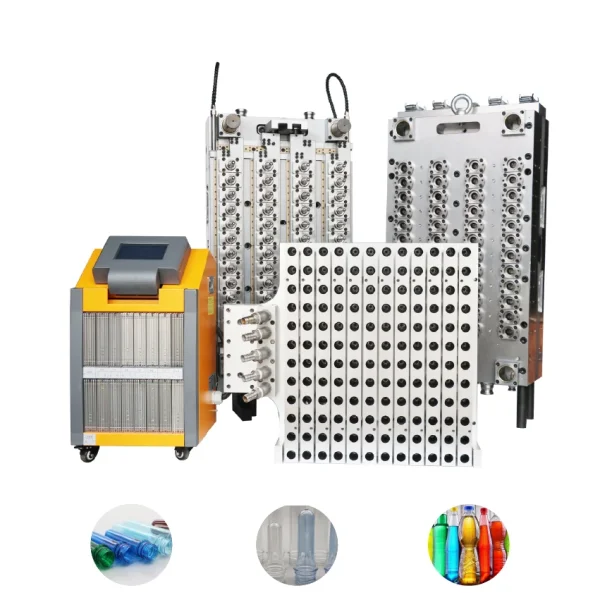
Medicine bottle molds are used to mold plastic into bottles for pills or liquid medicine. It controls wall thickness, neck shape, thread and base all in one step. This is not what a plain bottle mold is for. The mold must also provide for tamper-evident features and child-resistant caps.
| Feature | Standard Bottle Mold | Pharma-Grade Mold |
| Wall size | Can vary a bit | Very exact, ±0.05mm |
| Neck shape | General use | Fits child-safe or dropper caps |
| Plastic type | Food-grade plastic | Pharma-grade HDPE or PET |
| Light block | Not always needed | Amber or blue tint is common |
- Materials Used in Pharmaceutical Bottle Molding
HDPE, or high-density polyethylene, is good at blocking moisture. This is why it is used most. Poly-ethylene terephthalate, or PET, stays clear. Brands use it when people need to see the liquid inside it. Polypropylene for caps and joints. It bends, but doesn’t break.
- Why Precision Matters More in Medicine Packaging
A child proof seal can be broken by a thin wall or loose thread. And it allows the moisture to get to the pills inside. That’s why pharma Medicine bottle molds need to be more precise than typical packaging molds.
Can Startups Buy a Custom Medicine Bottle Mold?
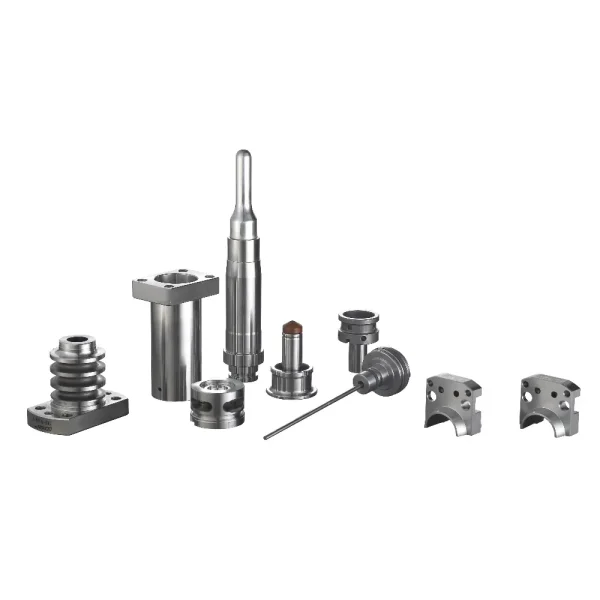
Yes, startups can order custom tooling. Many smaller mold makers build tools for low order sizes now. A round bottle one cavity steel tool will be much less than a large multi cavity tool. The real question is not “can I get one. It’s “how many cavities do I need to start?”
Design can also be flexible. A mold maker can begin with a single cavity to test the design. Can add more cavities when order volume increases. It spreads the cost over time, instead of paying for everything up front.
Ways startups keep tooling costs low:
- Start with one cavity and add later
- Start with aluminium tooling, then go to steel for large runs
- Reuse a familiar neck shape so caps still fit.
- Buy bottles and caps from a single vendor to save on shipping
- Change core, so we can change labels without a new mold
Prices depend on the number of cavities, the type of steel and design details. If a supplier quotes you a fixed price without looking at your bottle plan, ask more questions first.
What Makes a Seal “Tamper-Evident”?
Tamper-evident seals make it clear whether a bottle has been opened before you buy it. This protects the purchaser. Most seals are made by molding a shrink band, foil liner and break-away ring right into the cap thread.
- Cap Torque and Break-Away Rings
Cap torque is the amount of force needed to twist open or closed a cap. This force needs to be spot on Too little and the ring will not snap. Too much and the cap is almost impossible to open. In the 1980s, with incidents of package tampering, the U.S. began tamper-proof rules.
Blow Molded vs Injection Molded Medicine Bottles
Medicine bottles that are blow-molded and those that are injection-molded are manufactured differently. The plastic is softened and hot air is blown into the plastic to push it into the mold . This is called blow molding . It makes empty bottles. Hot, melted plastic is injected into a closed mold under high pressure in injection molding. works best with small solid parts such as caps.
| Factor | Blow Molding | Injection Molding |
| Best for | Hollow bottles | Caps, dropper tips |
| Wall control | Good | Very exact |
| Tooling cost | Lower for simple shapes | Higher for detailed parts |
| Common use | Liquid medicine bottles | Pill bottles, caps |
- Which Process Fits Small-Batch Startups Better
Blow molding is often best for a simple round liquid bottle. Injection molding is great for making a part that requires fine detail such as a child safe cap. Many brands do both. Bottles are from a blow line. Caps are from an injection line.
How Does a Medicine Bottle Blow Molding Machine Work?
A medicine bottle blow molding machine heats up a soft plastic tube. It closes the tube in a mold and air injects. The air pushes the plastic against the sides of the Medicine bottle mold. It cools , and takes on the final shape of the bottle. Small pharma bottles take only a few seconds to a minute.
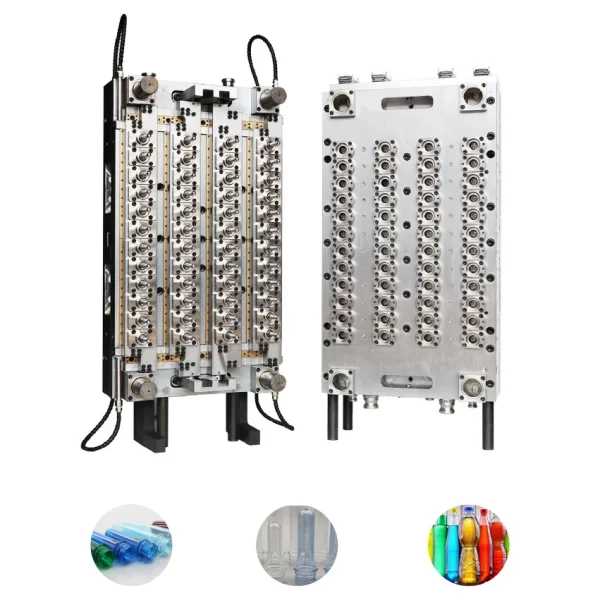
The molding machine for medicinal liquid bottles specific to pharma usually possesses better heat control. It may also be in a sealed clean housing. If the neck wall is uneven, the cap might sit at a slight angle. Good machine settings keep the seal tight and even.
- Choosing a Supplier
A good medicine bottle blow molding machine supplier should first send sample bottles. They should also remark upon wall thickness. A supplier that does a test batch before a big order is usually safer.
Fit Factors That Prevent Leaks and Tampering
If the neck is shaped right a cap will lay flat or askew. Even a small error in the thread can leave a tiny gap. That gap can leak liquid out during transport. A liner or gasket is a second layer of safety. It is pressed tightly against the rim of the bottle when the cap is closed.
Seal tests can be torque tests, vacuum tests, drop tests etc. These happen prior to a bottle being put into full production. New brands often get leaks in their first order because they skip these tests.
Common Questions About Medicine Bottles
- What’s That Little Pocket in a Pill Bottle?
That little bag inside a medicine bottle is a drying pack, usually containing silica gel. It soaks up extra moisture so that the pills don’t break down too soon. DO NOT OPEN, CONSUME OR RE-USE THIS PACK.
- Why Are Pill Bottles Blue (or Amber)?
Amber or blue glass is used to make pill bottles to keep out the light that would otherwise damage the medicine inside. Amber filters out most UV light and some visible light. This helps the medicine to last longer. Blue does a similar job, but amber is used more regularly.
- What Do You Call Old Medicine Bottles?
Old medicine bottles are frequently referred to as apothecary or chemist bottles. These were glass, used prior to the widespread use of plastic. Collectors will look for the raised letters, the colour of the glass, the store name on the bottle.
- Can You Drink From moldy Bottle?
No, it is not safe. Even if you wash the bottle it may look clean, but mold can leave spores behind. If you eat it, some types of mold can make you sick. Best just to toss the bottle and get another one.
Frequently Asked Questions
- What makes medicine bottles tamper resistant?
A bottle is tamper-evident by a break-away cap ring, a foil liner, and possibly a shrink band on the outside. If it’s opened too early every piece is ruined. The makers test all of these parts together before full production.
- Blow molded vs Injection molded Bottles: What’s the Difference?
Blow-molded bottles are made by blowing hot air into soft plastic that has been placed in a mold. Injection-molded parts are made by forcing molten plastic into a closed mold under pressure. Blow molding is for hollow bottles. Injection molding is a good process for small, intricate parts like caps.
- Why do pill bottles have little bags inside them?
Pill bottles have a little pouch to soak up excess moisture. This helps keep the pills dry and safe longer. The pouch is separate from the medicine. It’s just there to protect it.
- Why are pill bottles mostly blue or amber?
Most pill bottles are amber or blue, as these colours block light. Some medicines may break down faster when exposed to light. Amber is the most widely used colour in this industry. Medicines which are not sensitive to light are placed in clear bottles.
- Is it safe to drink from a bottle with mold growing inside?
No, not safe, even after washing. mold can leave tiny spores in tiny crevices you can’t see. The best thing is to throw the bottle away and not try to clean and reuse it.
- How long does it take to make custom tooling?
Custom bottle molds can take a few weeks to a few months to complete. It depends on how many cavities and how detailed the design is. A single cavity mold is quicker to produce than a large multi-part mold. Get a firm schedule from your supplier before you lock in your opening date.
Conclusion
It’s the right thread shape, right cap torque, even wall thickness, all working together, that makes the good medicine bottle mold. If you are a startup with a smaller budget for custom tooling, Huadian mold Co., Ltd. is worth a look.
Huadian mold Co., Ltd. provides you with smaller cavity counts and tooling plans that increase as your order size increases, rather than requiring you to order large amounts right away.