

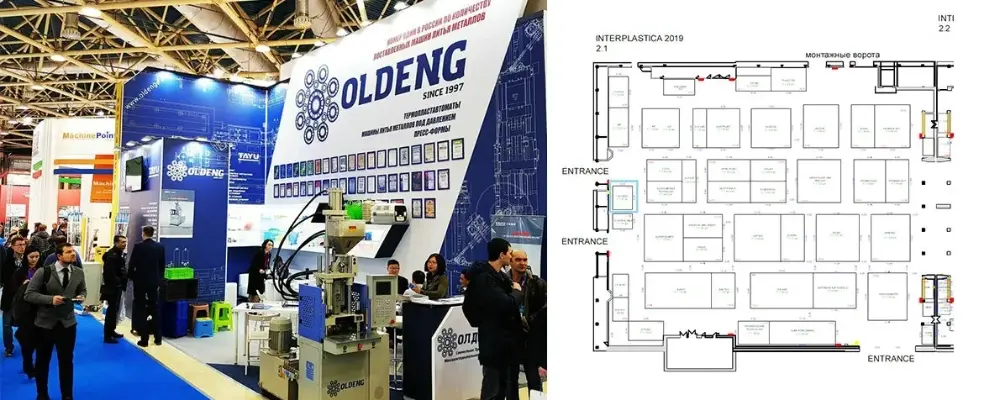

How do you expect a breakdown of a hydraulic plastic moulding machine? With 9 years experience in the plastic injection moulding industry, I have seen first hand how small issues can turn into major failures if left unaddressed.
Here I will show you how to service the heat zone, pump and cylinder of a hydraulic injection moulding machine for plastics. Here you will find information on the key systems of your machine, how they work, the warning signals that it needs servicing, when to act and the consequences of inaction.
What Is a Hydraulic Plastic Moulding Machine and How Does It Work?
A hydraulic plastic moulding machine is used to inject molten plastic into a mould. It is one of the most popular machines for making plastic components. The machine has 3 main systems Hydraulics (pump, valves, oil) Heating (heat zones) Injection (cylinder, screw) Oil pressure drives all three motions, clamp, injection and ejection. The plastic is heated in zones to get it to the proper melting point.
The cylinder forces the melted plastic into the mould cavity. All three systems have to work together to get decent results. If one part fails, the whole process is affected. Therefore it is absolutely essential that any supplier or factory owner of hydraulic plastic injection moulding machines should service all three of them regularly.
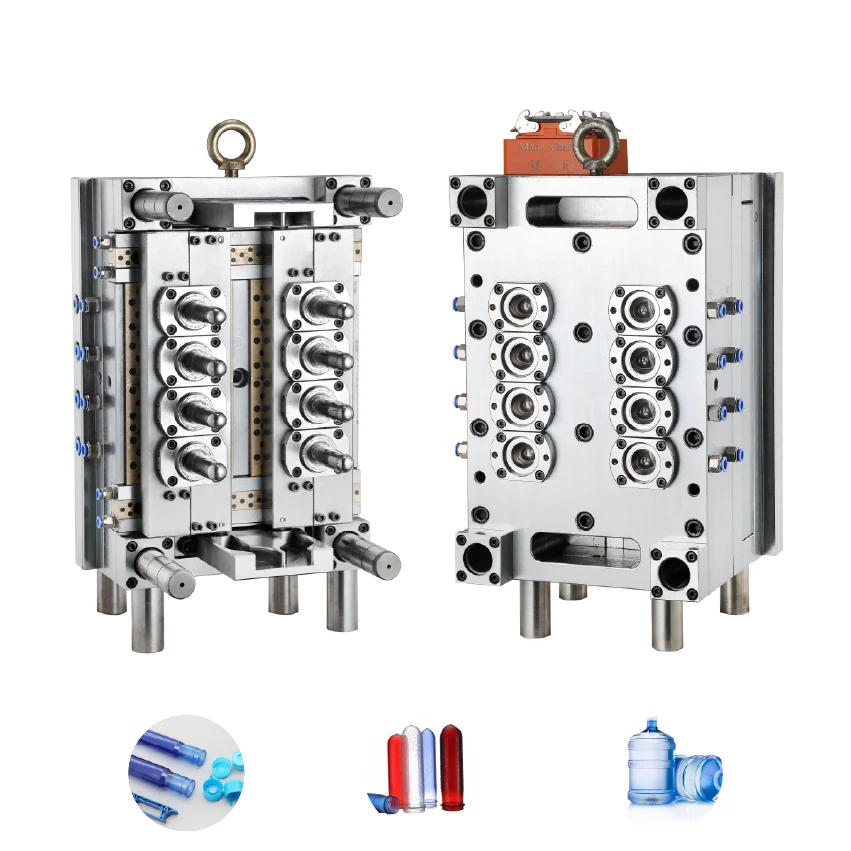
Hydraulic Plastic Moulding Machine Systems
| System | Main Component | Function | Service Interval |
| Hydraulic | Oil Pump | Drives all machine movement | Every 2,000 hours |
| Heat Zone | Band Heaters / Thermocouple | Melts plastic resin | Every 6 months |
| Injection Cylinder | Screw & Barrel | Pushes melt into mould | Every 1,000–1,500 hours |
| Clamping Unit | Hydraulic Cylinder | Holds mould under pressure | Every 1,500 hours |
Is Your Heat Zone the Reason for Poor Plastic Moulding Quality?
A lot of the time when it comes to servicing a Hydraulic Plastic Moulding Machine the heat zone is not thought about. It maintains a uniform melt temperature in the different zones of the barrel. Cold shots, burn marks or inconsistent parts can result from heater failure or thermocouple drift.
Operators often ignore slow temperature drift until it causes junk. Running costs are higher because of energy waste from a broken heat zone. Preventative maintenance saves resources, and increases efficiency.”
Signs Your Heat Zone Needs Service Now
- Burn marks or uneven part coloration: parts of the heat zone are too hot or too cold.
- HMI display temperature fluctuation can be due to Failure of thermocouple or PID controller.
- If the heater band is damaged (discoloration, fractures), heat transfer can be reduced.
- Cycle time is longer because the machine takes longer to reach the temperature you set.
- Odour of burning plastic (associated with resin breakdown due to localised overheating).
Common Faults vs Recommended Service Actions
| Fault | Symptom | Root Cause | Service Action |
| Heater band failure | Cold zone, short shots | Worn or broken heater | Replace heater band |
| Thermocouple drift | Wrong temp reading | Sensor degradation | Recalibrate or replace |
| PID fault | Temp unstable | Controller error | Reset or replace PID |
| Barrel oxidation | Contaminated parts | No cleaning schedule | Purge and clean barrel |
How Often Should You Service the Heat Zone?
Recheck thermocouple calibration for every 3 months. Check the heating bands visually once a month. Replace the old heating bands before they break completely. Thermally scan the entire barrel once every six months. Monitor temperature data closely, the trends will show you problems before they get out of hand.
Why Does the Hydraulic Pump Fail and When Should You Service It?
All machines that use hydraulics to inject plastic have at their heart a pump. Hydraulic oil is pushed through the system to power all motion. The pump, as it wears out and gets damaged, lowers the pressure, lengthens the cycle time and worsens the quality of the components. Pumps can fail for many reasons, such as dirty oil, not enough oil, overheating, or just old age.
When the pump breaks, many factory owners wait too long before fixing the pump. One of the best ways to protect your investment in a hydraulic plastic moulding machine is to take care of the pump early on.
Pump Service: Key Warning Signs to Watch
- A grinding or whining noise from the pump area: This may be caused by air in the oil or the beginning of pump wear.
- The pump output is not reaching specifications because there is a pressure drop during injection.
- The pump is inefficient because of the overheating of oil temperature.
- Slow or jerky machine movements: The pump cannot maintain pressure under load.
- Damaged seals on the pump housing will cause oil to leak out.
Hydraulic Pump: Variable Displacement vs Fixed Displacement
| Factor | Variable Displacement | Fixed Displacement | Best For |
| Energy use | Low adjusts to demand | Higher runs at full flow | Variable: modern factories |
| Upfront cost | Higher | Lower | Fixed: budget buyers |
| Maintenance | More complex | Simpler | Fixed: less skilled teams |
| Noise level | Lower | Higher | Variable: noise-sensitive sites |
When Should You Change Hydraulic Oil?
- Change the oil every year or every 200 hours of operation, whichever comes first.
- Always check the recommended grade in your machine’s handbook.
- Check contaminant levels and oil viscosity at 500-hour intervals.
- When switching oil brands, always flush the system out thoroughly.
- Do not allow the oil temperature to exceed 55 degrees Celsius.
How Do You Know When the Injection Cylinder Needs Service or Replacement?
The injection cylinder is the device that injects the plastic into the mould. It has a check ring, a barrel, and a screw. The screw and barrel wear down over time from abrasion and corrosion. This is particularly true for polymers filled with glass or minerals. Worn parts can cause problems such as surface quality issues, variable shot weight and backflow. The operators of conventional or hand-operated hydraulic injection moulding machines sometimes fail to identify the first signs of deterioration. Knowing when to act can prevent expensive repairs in the future.
Early Warning Signs: When the Cylinder Is Wearing Out
- Shot weight is inconsistent due to the screw check ring being worn, permitting backflow.
- Poor screw melt movement resulting in longer plasticizing time.
- Streaking or discoloured patches: Dead patches in worn barrel decaying.
- Abnormal wear at screw tip or barrel causes injection pressure pulsation.
What Is the Right Preventive Maintenance Schedule for Your Machine?
If you plan ahead, you may be able to prevent problems before they arise. All hydraulic plastic injection moulding equipment shall be subject to a programme of daily checks, weekly inspections, monthly service and yearly overhauls. That is how the best factories use their wholesale hydraulic plastic moulding machine units if the uptime is over 95%.
Recommended Maintenance Intervals: Quick Reference
| Frequency | Check Item | System | Action |
| Daily | Oil level & colour | Hydraulic | Top up or flag for change |
| Weekly | Heat zone temp log | Heat Zone | Compare against baseline |
| Monthly | Screw & barrel visual | Cylinder | Check for wear marks |
| Every 6 months | Full pump inspection | Hydraulic Pump | Check pressure & seals |
| Annual | Full overhaul | All systems | Replace wear parts |
- Record all service work in a log, including dates and components replaced.
- Training machine operators basic daily inspections.
- For best results, we recommend the use of original equipment manufacturer (OEM) or certified spare parts.
- Schedule regular maintenance visits in cooperation with your machine’s supplier.
Frequently Asked Questions
How often should I service my hydraulic injection moulding machine?
Keep your equipment up to date based on actual use and current condition, not just the dates on the calendar. Most conventional equipment calls for a simple check at 500 hours, a mid-level service at 1,000 hours and a full overhaul at 2,000 hours. The hours in the heat zone are not important. You will need to check it on a three month cycle.
- Daily temperature, oil level and filter condition log
- Each month visuals of seals, cylinder and heating band are added.
- Complete overhaul of pump, barrel and valves once a year
When do you repair the hydraulic pump?
The most obvious symptoms are: – The injection pressure drops – The pump makes loud noises (whining or banging) – The oil temperature is above 55°C – Oil leaks can be observed near the pump housing If you see two or more of these at the same time on the machine, it probably needs a new pump. If you want to reduce maintenance costs, don’t just wait until the pump fails to take action.
- Pressure reduces as injection goes on
- A strange sound emitted from the pump when it is loaded
- Oil temperatures above 55 °C no failure of the heat exchanger
Can a large quantity be produced in a vertical hydraulic moulding machine for plastic?
A plastic vertical hydraulic plastic moulding machine is a very good choice for high volume insert, overmould and connection parts. Benefits include easy mould loading, small footprint. For best performance, treat it like a horizontal machine and follow the maintenance schedule.
- Excellent for overmolding and insert
- Small footprint, reduces floor space requirements
- Servicing requirements are the same for horizontal machines.
How much is a typical hydraulic plastic injection moulding machine for a mid-range machine?
Hydraulic injection moulding machines are priced according to brands and clamping forces. A mid-range hydraulic injection moulding machine (80-200 tonnes) from a reputable Chinese manufacturer is likely to be priced between US$8,000 and US$35,000. When comparing after-sale service and availability of spare parts, look beyond the price of the machine.
- 80-120T prices are in the vicinity of $8,000 to 15,000 USD.
- 150-200T range would sell for $18,000-$35,000 USD.
- Pricing varies because of differences in brand, features and warranty conditions.
Conclusion
Service your hydraulic plastic moulding machine on time to get the most out of it, reduce downtime, improve output quality and reduce scrap. All three parts are needed: the injection cylinder, the hydraulic pump and the heat zone. Ignoring any one of these issues will cause a domino effect of problems, and the expense of correcting them will be more than that of a scheduled repair call.
One way to solve the problem is to have a detailed maintenance plan, provide enough training to the employees, and work with a machine provider who guarantees its products. We encourage you to consider Huadian Mould Co., Ltd. for your next machine purchase or upgrade. They are one of the leading hydraulic plastic injection moulding machines manufacturers and suppliers in the industry.