


How many cavities do you need in your mould and how much will it cost? I have more than 9 years experience in plastic mould price and injection moulding price field. This question comes up in almost every project I’ve seen. What is Cavity Count?
Explained in this article. I’ll show you how it impacts your total mould cost. And I’ll help you choose the right setup for your budget and output needs.
What Is Cavity Count in Injection Moulding?
Cavity count is the number of parts produced by a mould in one cycle. A single cavity mould produces one part at a time. A multi-cavity mould produces two, four, eight or more parts at one time. More cavities mean a higher injection mould price up front. But they also mean higher throughput and lower cost per part.
Fewer cavities means a lower mould cost to begin with. But each piece adds up in the long run. The right choice depends on the number of parts you need and how fast you need them. To get the best price on a plastic mould, start by picking the right number of cavities for the mould.
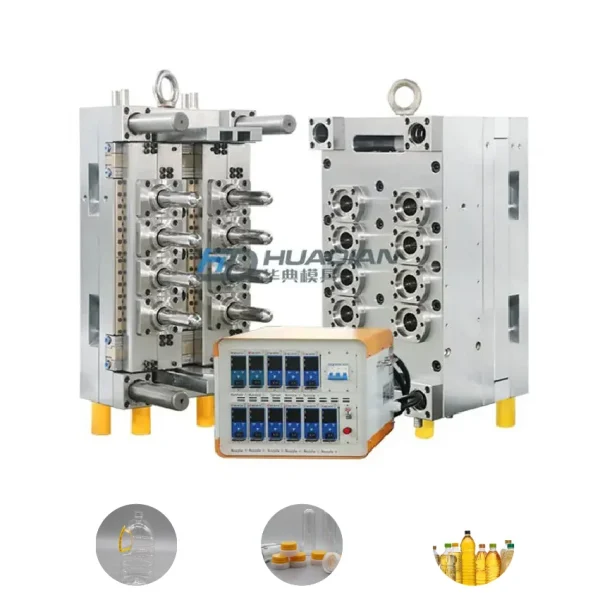
| Factor | Single Cavity | Multi-Cavity (4+) | High-Cavity (8–16+) |
| Parts Per Cycle | 1 | 4–8 | 8–16+ |
| Upfront Mould Cost | Low | Medium–High | Very High |
| Per-Part Cost (Long Run) | High | Medium | Low |
| Best For | Prototypes / Low Volume | Mid Volume | High Volume |
| Machine Size Needed | Small | Medium | Large |
| Lead Time | Short | Medium | Longer |
Does More Cavities Always Mean a Higher Injection Mould Price?
Yes – the more cavities you have the more expensive the injection moulding price becomes. But it’s not a straight path. You don’t pay 4 times as much for a 4-cavity mould as you do for a 1-cavity mould. Usually it costs 2-3 times as much.
This is because parts like the mould base, runners and cooling lines are common. But tighter fits and more precise work go into the cost. For plastic crate mould price jobs or cube mould price parts, cavity layout influences steel cost, cutting time and test runs.
Key Things That Change Multi-Cavity Mould Cost
Simple parts are cheaper to cut and build per cavity. Complex shaped parts cost more. Products such as the decor moulding price list need more care and more finishing work.
- Complex shapes increase the cutting time per cavity by 30 to 60 percent.
- Parts with undercuts require special tooling such as lifters or side actions
- Better fits and more test runs are needed for thin-walled parts
- Extra time and cost to polish shiny or textured finishes
- Mould Life and Steel Grade
Steel Grade and How Long the Mould Lasts
| Steel Grade | Mould Life (Shots) | Best For | Cost Level |
| P20 | 300,000–500,000 | Low to mid volume | Low |
| H13 | 500,000–1,000,000 | Mid to high volume | Medium |
| S136 | 1,000,000+ | High volume or corrosive use | High |
| 718H | 500,000–800,000 | General use | Medium |
- Steel is the major component of the total price of moulding cost
- Cheap steel wears out fast and costs more in the long run
- Match the steel type to the number of parts you wish to make
Runner System Type
- The setup cost of hot runners is higher but they save plastic over time
- Cold runners are cheaper but waste every cycle
- Hot runners are most suitable for high-cavity injection moulding machine price setups.
- Even fill requires runner balance in multi-cavity moulds
How Do You Choose Between Single, Multi, or High-Cavity Moulds?
It depends on how many parts you want and how much you want to pay per part. Single-cavity moulds are useful when you want a small number of parts or want to test a new design. If you need to increase production fast, a multi-cavity mould is a good choice. When you make millions of parts each year, a high-cavity mould is best. They all have their place. Buying the wrong one is a waste of money. The right choice keeps your injection moulding cost low and your productivity high.

Single, Multi, and High-Cavity Mould Comparison
| Feature | Single Cavity | 4-Cavity | 8-Cavity | 16-Cavity |
| Upfront Mould Cost | Lowest | Moderate | High | Very High |
| Output Per Hour | Lowest | 4x | 8x | 16x |
| Per-Part Cost | Highest | Medium | Low | Lowest |
| Risk Level | Low | Low–Med | Medium | High |
| Best Use Case | Prototypes | Mid runs | Large runs | Mass output |
Single-cavity is safe and inexpensive. The compromise between cost and speed is the multi-cavity. High-cavity is for high-volume runs where price per part needs to be low.
Pros and Cons by Cavity Type
Single-Cavity Moulds
- Low initial plastic mould cost
- Easy to alter or correct
- slows down parts
- Large scale, high cost per part
Multi-Cavity Moulds
- Cost and speed balance good
- Excellent for plastic crate mould price projects
- More expensive to build
- Keep the runner balanced
High-Cavity Moulds
- Most economical per part for large runs
- Decor Moulding Price List Bulk Items Great Prices For
- Very high start-up costs
- Needs a big injection moulding machine price equipment
How Does Cavity Count Affect Real Mould Projects?
Cavity count is on the mind of everyone in an industry who uses plastic parts. The number of cavities can have a large impact on the project budget, from food boxes to car clips. Real data indicates that companies typically achieve 30-50% per-part cost savings when moving from single to multi-cavity moulds. But the upfront mould cost has to work for the change. This is how various fields make this choice.
Case Studies by Industry
| Industry | Product | Cavity Choice | Why | Result |
| Food Packaging | Thin-wall boxes | 16-cavity | Very high daily volume | 45% lower per-part cost |
| Construction | Cube mould parts | 4-cavity | Medium demand | 28% cost saving |
| Home Decor | Decor moulding items | 2–4 cavity | Many design types | Fast design change |
| Logistics | Plastic crate mould | 2-cavity | Large part size | Good tooling value |
The right cavity count is a function of volume, part size, and budget. No one size fits all setup. Good planning leads to a lower total injection mould price over the product life.
Who Benefits Most from Multi-Cavity Moulds?
Consumer Goods: These are the companies that make millions of units each year. Multi-cavity moulds reduce the cost of moulding substantially. 8 to 16 cavity setups work for small parts like caps, clips.
- High volume goods require fast cycle times
- Lower cost per part aids better profit margins
- The high volume makes the higher injection moulding price worth it
- All cavities must produce parts of identical quality
Medical and Pharma Medical parts are the same in each cavity. They use 4- to 8-cavity moulds, with tight tolerances and premium steel. It is not just about speed but about quality.
How Can You Lower Your Mould Cost Without Cutting Output?
It needn’t always cost the earth. There are intelligent ways to lower your injection moulding cost but still get good output. Work early with a good mould-maker. Use family moulds when possible. Redesign your runner to be less plastic. Choose the steel that suits your volume – don’t buy more than you need. Receive quotes and compare prices for plastic moulds from several manufacturers. With a reliable partner like Huadian Mould Co., Ltd., you can find the best balance for your budget.
Tips to Keep Mould Cost Under Control
- Start with a 2 cavity mould and grow if orders increase
- Hot runners save material in big runs.
- One mould maker for design, build and test – saves time
- Avoid costly interruptions with mould care planning from the start
- Before you decide, take a look at the Cube Mould Price and Plastic Crate Mould Price options
- Request a DFM check prior to tooling to identify problems early
Frequently Asked Questions
Is a 4-cavity mould 4 times the price of a 1-cavity mould?
Nope. It’s usually 2-3 times more expensive, not 4 times. Shared parts (mould base, cooling lines) reduce the cost per cavity.
- Reduced total tooling costs by shared parts
- More precise work adds a bit to the per-cavity cost
- More cavities = More savings
How many cavities should a startup pursue on a small budget?
The best one is a 1 or 2 cavity mould. It keeps the cost of the plastic mould down. It also provides you the ability to test the market before you invest more.
- Low risk at outset
- Design easy to change early on
- You can add cavities later if sales take off
How does the number of cavities affect the cost of an injection moulding machine?
More cavities mean a bigger, stronger machine. A 16 cavity mould requires more clamping force than a 2 cavity mould.
- The machine must span the total clamping area of all cavities
- Big machines cost more per hour to operate
- Never forget to add the machine cost to your total part cost
Can I use a multi-cavity mould on a small machine?
No. It can break the mould and destroy the machine. Always pair the mould size and number of cavities with the right injection moulding machine price and tonnage.
- Weak machines cause flash and short shots
- Fixing mould damage is expensive
- Always ask your mould-maker which machine you need
Conclusion
Single cavity mould to keep your costs low at the start. But as your volume grows a multi-cavity mould cuts your cost per part quickly. The trick is to plan early and partner with the right mould. If you get the cavity count wrong, it costs you money. Either you pay too much for the mould or you lose money on slow output.
So many world makers choose Huadian Mould Co., Ltd. for their mould projects. Huadian is specialising in injection mould price planning, cavity design and output work. If you need a single cavity test mould, a plastic crate mould price fix, or a large multi-cavity tool, Huadian will give you speed, care and great value.